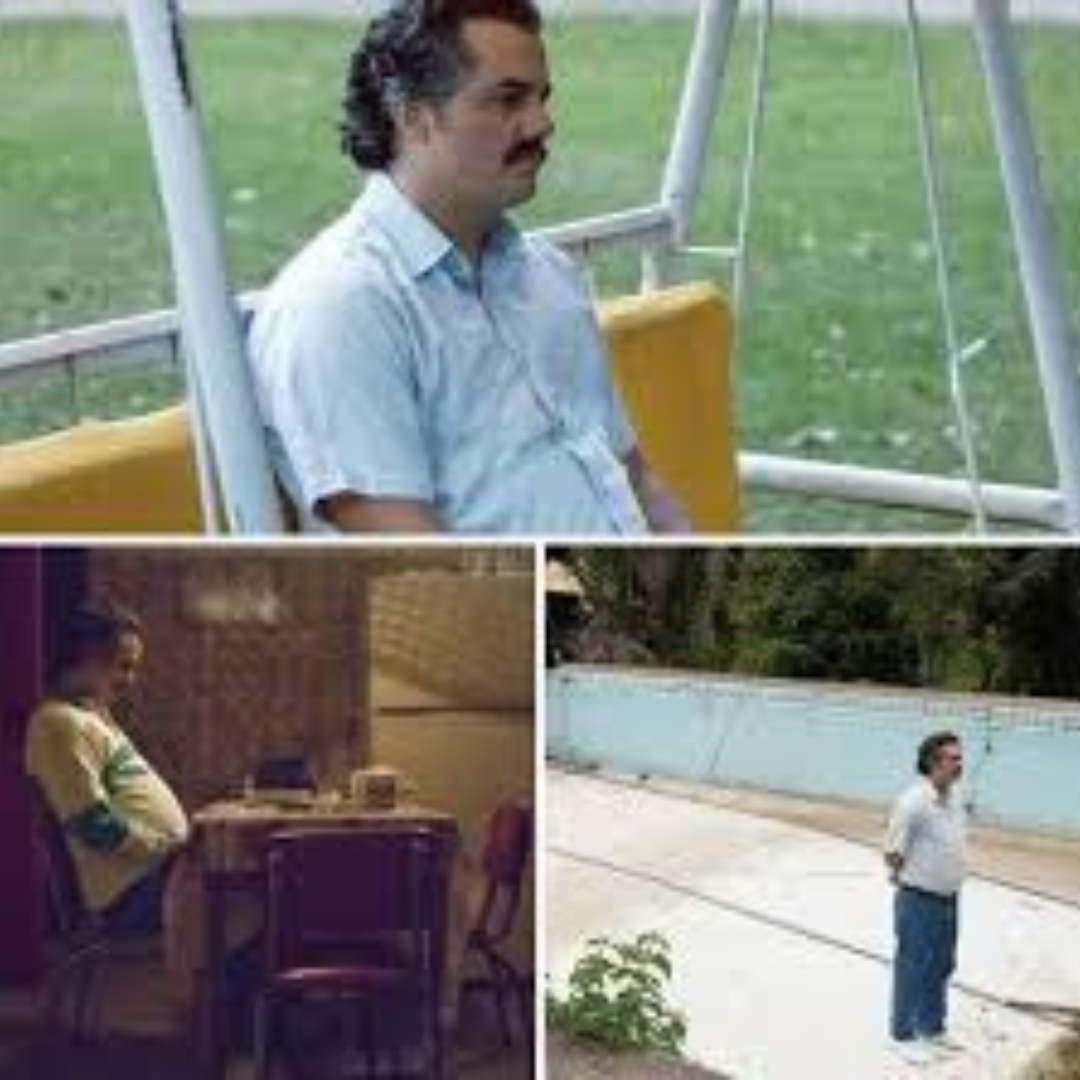
That famous “Sad Pablo Escobar” meme showing a forlorn man sitting alone in various locations has become an internet sensation. With over 40,000 points on Reddit and countless shares across social media, it’s now the universal symbol for boredom and waiting. But as someone who spent years working directly with the real Pablo Escobar as his chief pilot and route architect, I can tell you that the Netflix portrayal couldn’t be further from the truth of how the actual kingpin handled waiting.
The Real Pablo Never Just “Waited”
The Pablo Escobar I knew was physically incapable of the passive waiting depicted in those famous screenshots from Narcos. During my years designing and operating his smuggling routes, I witnessed firsthand how Escobar handled downtime – and it looked nothing like Wagner Moura staring blankly into the distance.
The real Pablo Escobar was perpetually in motion. When plans were delayed or we had to wait for shipments, weather clearance, or confirmation from contacts, Pablo would fill every moment with productive activity. He’d be on multiple phones simultaneously, reviewing intelligence reports, studying maps, or interrogating people for information. The concept of just sitting around was foreign to him.
The Most Dangerous Man Was the “Waiting” Man
What makes the waiting meme particularly ironic to those of us who knew him is that Pablo at his most inactive was actually when he was most dangerous. I remember one occasion in particular – we were waiting for confirmation that a major shipment had safely crossed into U.S. airspace using one of my flight corridors. While we waited for the call, Pablo wasn’t moping around.
Instead, he was methodically planning the elimination of three government officials who had seized one of his laboratories. He made those plans while appearing completely calm and collected, occasionally smiling and joking with his men. Then the call came confirming our shipment had landed safely, and without missing a beat, he gave the order to proceed with the eliminations. That’s how the real Pablo “waited” – by plotting his next move.
The Psychology Behind the Real Escobar’s Waiting Game
From my unique position as both his pilot and the designer of his transportation network, I witnessed something few others saw: Pablo Escobar’s strategic use of waiting as a psychological weapon.
When Pablo needed to intimidate someone, he would make them wait while he carried on with other business. This wasn’t the bored, inactive waiting shown in the meme – it was calculated psychological warfare. I’ve seen hardened criminals reduced to nervous wrecks after being forced to wait three hours in Pablo’s presence while he deliberately ignored them, working on other matters as if they weren’t there.
This technique was particularly effective because everyone knew what potentially awaited at the end of that waiting period. The longer the wait, the more time they had to contemplate their possible fate. Pablo understood this psychological dynamic perfectly and weaponized waiting in a way that the meme completely misses.
The One Time I Saw Pablo Actually “Waiting”
Only once in all my years working with the Medellín Cartel did I see Pablo exhibit something close to the waiting portrayed in the meme. It was 1989, and one of our planes had gone missing during a critical shipment. We had lost radio contact, and there was no way to know if the plane had been intercepted, crashed, or simply experienced equipment failure.
For six hours, we waited in a hacienda outside Medellín. Pablo sat at a table much like the one shown in the middle panel of the meme, but his demeanor was nothing like the passive, sad figure portrayed. His eyes constantly scanned the room, his fingers drummed rhythmically on the table, and he issued quiet orders every few minutes. The tension was palpable – everyone knew that billions in product and a trusted crew were at stake.
When we finally received word that the plane had landed safely (it had experienced radio problems but completed its mission), Pablo didn’t show relief. He simply nodded once, stood up, and immediately began planning the next shipment. That was the real Pablo – always calculating, always in control, even during “waiting.”
How Hollywood Gets Pablo’s Waiting Wrong
The Netflix portrayal that spawned the waiting meme fundamentally misunderstands what made Escobar so effective as a criminal leader. The real Pablo didn’t waste time with melancholy waiting – idle time was when he was most productive, planning operations and considering contingencies.
Having designed the air corridors and transportation networks that built his empire, I worked closely with Pablo during countless high-pressure situations. The real Escobar used waiting periods to refine plans, gather intelligence, and prepare for multiple possible outcomes. The waiting time was never wasted time – it was strategic planning time.
This isn’t to romanticize Pablo – he was a ruthless criminal responsible for thousands of deaths. But understanding how he actually operated is important for separating the Hollywood myth from the dangerous reality. The sad, waiting Pablo of internet meme fame might be good for joking about waiting for packages or lunch companions, but it bears no resemblance to the calculating, always-active criminal mastermind I knew.
The Waiting Game That Built An Empire
Perhaps the greatest irony of the Pablo Escobar waiting meme is that much of his success came from his ability to make others wait while he never waited himself. Throughout the years I designed and operated his smuggling routes, I observed how Pablo used timing as a strategic advantage.
He would deliberately delay meetings with Colombian officials to demonstrate his power. He would make rival cartel members wait for his decisions to create uncertainty. Even in his dealings with me as I coordinated his transportation operations, he would strategically delay certain decisions to maintain control of every situation.
The psychology of waiting – of who waits for whom – was central to how Pablo established and maintained power. The real Pablo Escobar made everyone else wait; he never passively waited himself.
What The Meme Gets Right About Criminal Life
While the portrayal of Pablo himself misses the mark, there is one aspect of criminal life that the waiting meme inadvertently captures: the reality that much of criminal enterprise involves periods of intense activity punctuated by periods of waiting for operations to complete.
During my years designing and flying smuggling routes across six continents, I experienced this dynamic firsthand. After meticulously planning a transportation operation and setting it in motion, there would inevitably be periods where all we could do was wait for confirmation of success or failure. These waiting periods were among the most stressful times in criminal operations – but how leaders handled this waiting separated the successful from the doomed.
The difference was that professionals like Pablo filled this waiting time with preparation for next steps and contingency planning. The waiting was active, purposeful, and strategic – nothing like the sad, purposeless waiting depicted in the meme.