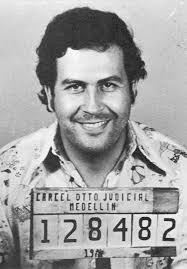
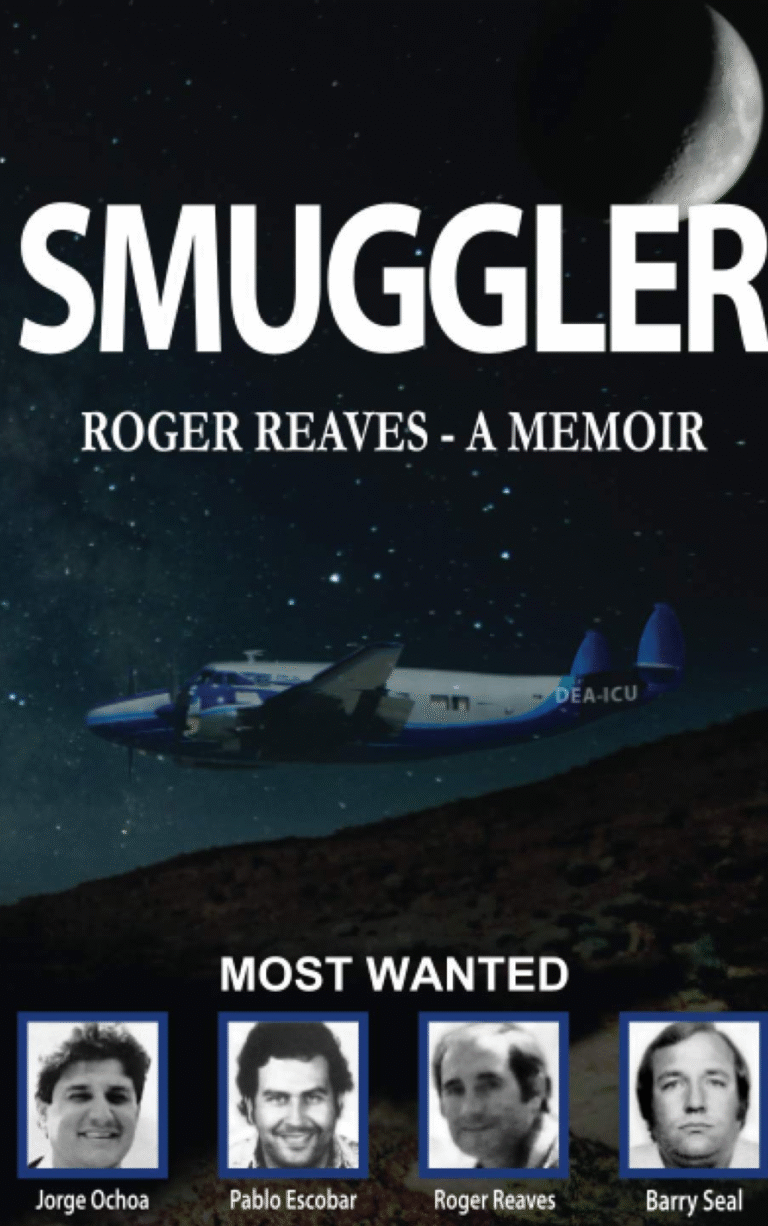
The commonly accepted story about this mugshot is that Escobar was arrested in May 1976 after being caught with approximately 40 pounds of cocaine paste hidden in a car tire. What most historical accounts miss, however, is how close this incident came to ending Pablo’s career before it truly began.
I remember Pablo describing this arrest to me during a late-night conversation at his Hacienda Nápoles in 1982. By then, I was designing and operating his primary smuggling routes into the United States. He rarely discussed this early arrest, but that night, perhaps feeling reflective about how far he’d come, he opened up about what he called his “biggest mistake and greatest lesson.”
According to Pablo, this wasn’t just any cocaine shipment – it was his first major attempt at moving product across borders himself rather than working for others. The cocaine paste had been sourced from Bolivia and was headed to a lab outside Medellín. What went wrong was simple: overconfidence. He had bribed what he thought were all the relevant officials along the route but missed a newly appointed officer who wasn’t part of the established corruption network.
The Smile That Changed History
The most intriguing aspect of this mugshot is Pablo’s confident smile. Historians and crime writers have speculated about that smile for decades: Was it arrogance? Naivety? A calculated intimidation tactic?
Pablo told me the truth was far more strategic. “When they took that photo,” he explained, “I was already planning three moves ahead. I smiled because I needed that photo to look like I had nothing to fear. If I looked scared, my enemies would see weakness.”
What Pablo understood, even at that early stage in his criminal career, was that perception was power. He knew the photo would be seen by potential business partners, rivals, and the authorities themselves. His smile was a message to all of them: I am untouchable.
The Aftermath That Few Know About
What happened in the days following this arrest revealed Pablo’s early genius for manipulation and brutality. While public records show that Escobar was released after manipulating the judicial system, the full story is far more disturbing.
Pablo confided that within 48 hours of his arrest, he had identified every person involved in the operation – from the informant who tipped off authorities to the officers who made the arrest. Within a week, the informant had disappeared. Within a month, the judge assigned to the case had received enough threats and bribe offers to recuse himself.
What most historical accounts miss is that this wasn’t just about escaping justice – it was Pablo’s first major display of his now-infamous “plata o plomo” (silver or lead) approach. Everyone involved in his arrest was given the same choice: accept payment for cooperation or face deadly consequences.
The Mugshot’s Role in Creating the Escobar Empire
Perhaps the most fascinating aspect of this mugshot is how Pablo transformed what should have been a career-ending disaster into a foundation for his empire. Rather than hiding this photograph, Pablo actually used it to build his reputation.
In the late 1970s, as I was establishing my own smuggling operations (before later working directly with Pablo), I remember seeing copies of this mugshot circulating among Colombian criminal circles. The message was clear: here was a man who could smile in the face of authorities and walk free. It became an underworld legend.
Pablo understood something fundamental about criminal enterprises that many missed: reputation was currency. That mugshot became proof of his ability to manipulate the system, and it attracted both partners and foot soldiers to his growing organization.
The Hidden Tragedy Behind the Image
What’s not visible in that smiling photograph is the bloodshed that followed. Pablo rarely expressed regret, but during our conversation about the mugshot, he admitted that the aftermath troubled even him.
The officers involved in his arrest were eventually assassinated – a fact that’s documented in public records. What isn’t widely known is that their families were also threatened. This wasn’t standard practice in Colombian crime at the time, and it marked an escalation that would become Escobar’s signature.
Pablo explained his thinking: “I needed to make an example so complete that no officer would ever consider arresting me again.” It worked. For years following, local police would actively avoid encountering Escobar rather than risk becoming targets.
How The Mugshot Affected His Political Ambitions
When Pablo eventually pursued political office in the early 1980s, this mugshot came back to haunt him. By then, I was designing his transportation network, and I witnessed firsthand how this photograph complicated his attempts to reinvent himself as a legitimate businessman and politician.
The mugshot was published in El Espectador newspaper as part of an exposé on Escobar’s criminal background. While Pablo had built significant goodwill through his charitable works in Medellín, the publication of this image provided undeniable evidence of his criminal past.
Pablo’s response was predictably brutal. The newspaper’s offices were bombed, and its editor, Guillermo Cano, was assassinated on Pablo’s orders in December 1986. I remember Pablo’s fury over how this “old photo” threatened to unravel his carefully constructed public image. This mugshot essentially triggered a war between Escobar and the Colombian press that would continue until his death.
The Mugshot’s Legacy Today
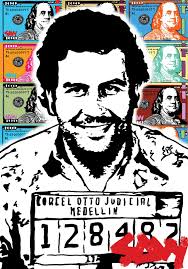
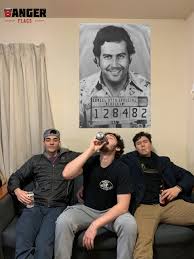
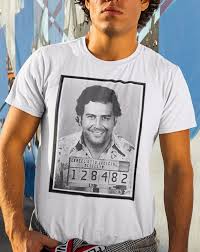
Today, this photograph has become part of pop culture iconography, divorced from the violence and corruption it actually represents. I find it disturbing how the image of a man responsible for thousands of deaths has become commercialized as a symbol of rebellion or counterculture coolness.
Having worked with Pablo and witnessed the real human cost of his empire, I see something different when I look at that mugshot. I see the beginning of a reign of terror that would transform Colombia and international drug trafficking forever. I see a moment when Colombian authorities had the chance to stop Pablo Escobar before he became untouchable – and failed.
That smiling young man in the photograph would go on to build one of the most violent criminal enterprises in history. And I would eventually become the architect of his transportation network, designing the smuggling routes that moved his product across continents. The confident smile in that mugshot wasn’t just bravado – it was the beginning of an empire built on blood.